01
Moral authority
The Secretary-General commands no armies. The office's power is moral - drawn from the Charter and the trust of Member States, and deployed with care.
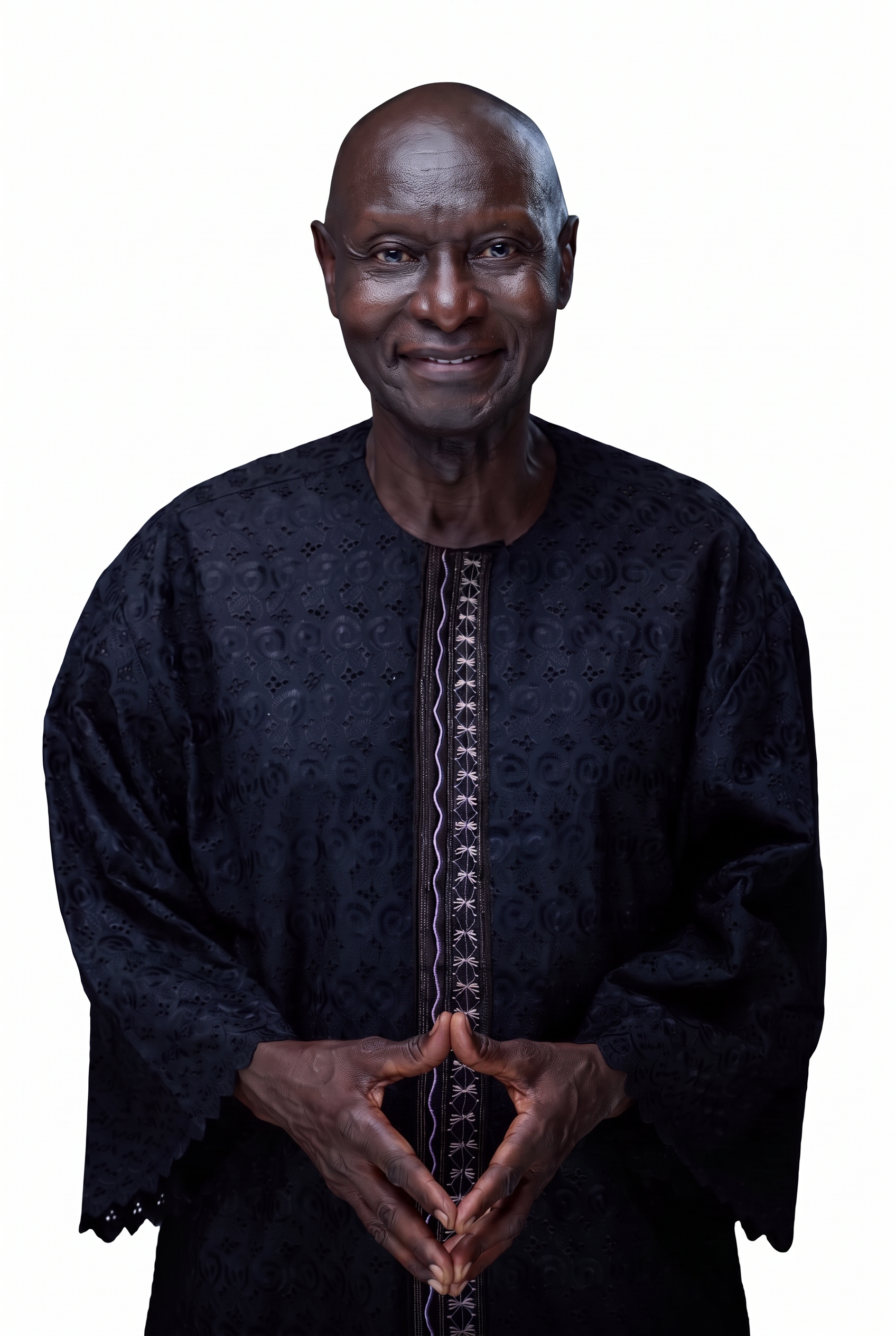
A Life Devoted to the Service of Humanity
For over four decades, Olara Otunnu has built deep experience working at the United Nations, across the three pillars of Peace & Security, Development and Human Rights, with a particularly stellar track record of building consensus and proposing innovative solutions in situations of crisis and deadlock.
"Lord, make me an instrument of your peace."
Francis of Assisi
VIDEO
1998–2005
UN Under-Secretary-General for Children and Armed Conflict
December 1981
President of the UN Security Council
1990–1998
President, International Peace Academy (now the International Peace Institute)
1985–1986
Minister of Foreign Affairs of Uganda
An agenda for action
01
The Secretary-General commands no armies. The office's power is moral - drawn from the Charter and the trust of Member States, and deployed with care.
02
Legitimacy, effectiveness and efficiency. Member-State-driven reform in the spirit of the UN80 Initiative, aligning resources with priorities.
03
Immediate priority to Ukraine, Gaza, the Democratic Republic of the Congo, Sudan and Iran - convening, mediating, and holding the peace.
04
The agenda he built at the United Nations: protection, rehabilitation, and a compliance regime with real consequences.
The Otunnu Formula
In December 1981, as President of the Security Council, he devised the system of straw-balloting known ever since as the Otunnu Formula - resolving a protracted crisis over the election of the Secretary-General. It has been standard practice for the selection of every Secretary-General since.
That instinct - for consensus where there is only impasse - has defined his service ever since: at the International Peace Academy, as Uganda's Foreign Minister, and as the United Nations' first Special Representative for Children and Armed Conflict.
The record in full